How to Choose the Best Running Shoes for Women: A Complete Guide
Choosing the right running shoes can significantly impact a woman's performance, comfort, and overall running experience. As the running community continues to grow, understanding the nuances of "Running Shoes Women" is essential for anyone looking to enhance their running journey. According to Dr. Emily Tran, a leading expert in sports biomechanics, “The right pair of running shoes is not just about style; it’s about finding the perfect fit that aligns with your biomechanics.” This sentiment encapsulates the importance of selecting running shoes that cater specifically to the unique needs of female runners.
In this comprehensive guide, we will explore the crucial factors to consider when choosing the best running shoes for women. From understanding foot arch types to evaluating cushioning and support, each element plays a vital role in ensuring a safe and enjoyable running experience. Whether you're a seasoned marathoner or just starting your running journey, this guide aims to empower you with the knowledge needed to make an informed decision about your footwear—because the right "Running Shoes Women" can make all the difference.
Understanding the Importance of Proper Running Shoes for Women
Choosing the right running shoes is crucial for women, as the importance of proper footwear directly impacts
performance, comfort, and injury prevention. According to a study published by the
Journal of Sports Sciences, nearly 65% of female runners report experiencing injuries related to
improper footwear. This highlights the necessity of selecting shoes that cater specifically to a woman’s foot biomechanics, which can differ
significantly from men's. Features such as cushioning, support, and fit are essential in mitigating the risk of
common running injuries, including plantar fasciitis and shin splints.
Moreover, a report from the American Academy of Podiatric Sports Medicine emphasizes that women's
running shoes should account for anatomical differences, including a generally wider forefoot and narrower heel. The right shoe can
also enhance running efficiency; a well-fitting pair may improve stride mechanics and overall endurance by reducing energy loss during runs.
This means that investing time in understanding one’s specific running needs and selecting shoes accordingly is not just beneficial for
performance but is vital for long-term foot health.
Evaluating Different Shoe Types: Cushioning, Stability, and Motion Control
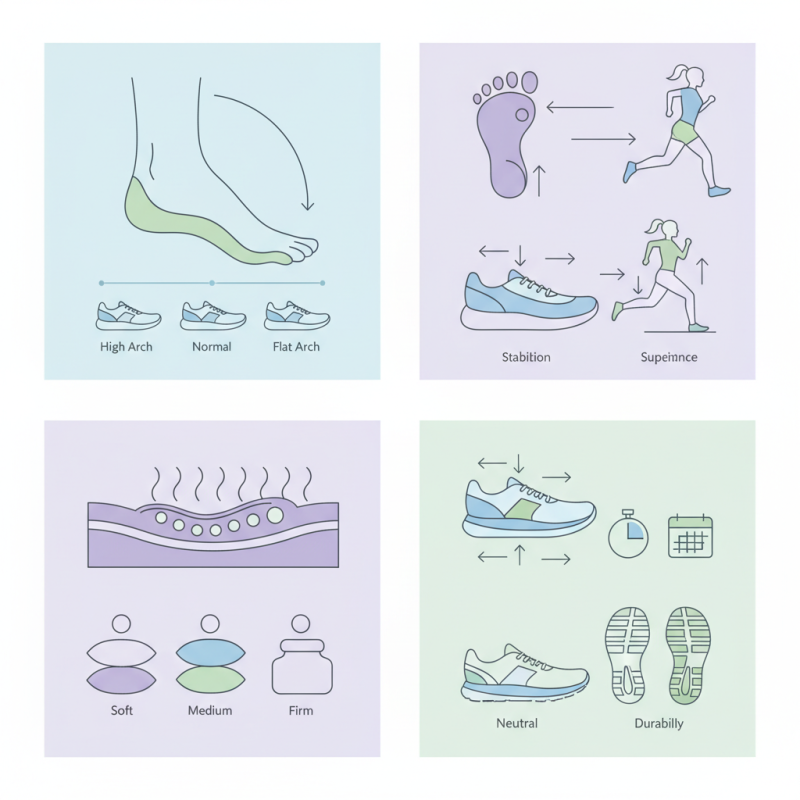
When selecting the best running shoes for women, understanding different shoe types based on cushioning, stability, and motion control is essential. Cushioning is a crucial factor for those who prioritize comfort during their runs. Shoes with ample cushioning can absorb impact and reduce strain on the joints, making them ideal for long-distance runners or those with a heavier stride. It’s important to strike a balance, as too much cushioning might lead to a lack of responsiveness, while too little can result in discomfort over time.
Stability features are particularly beneficial for runners who overpronate or have flat feet. Stability shoes are designed to provide additional support and help maintain proper alignment during the gait cycle. These shoes typically feature a firmer structure on the medial (inner) side to counteract excessive rolling inward. On the other hand, motion control shoes offer the maximum level of support and are intended for runners with severe overpronation. They incorporate features designed to minimize sideways foot movement, ensuring greater control and stability. Analyzing your foot type and running mechanics can greatly aid in determining the right level of support needed for an effective running experience.
Analyzing Foot Shape and Gait: A Key to Selecting the Right Fit
Choosing the right running shoes is crucial for performance and injury prevention, especially for women. Analyzing foot shape and gait is essential in selecting the perfect fit. According to recent studies from the Journal of Foot and Ankle Research, nearly 70% of runners have foot abnormalities that can affect their running efficiency. Understanding the unique structure of your foot—whether it's flat, neutral, or high-arched—can significantly influence your comfort and support during runs.
When assessing your gait, pay attention to how your foot strikes the ground. The two primary gait types are pronation and supination. Pronation occurs when the foot rolls inward upon landing; this is common among runners and can lead to injuries if unsupported. Conversely, supination, or under-pronation, happens when the foot rolls outward, often leading to instability. Professional advice suggests that around 80% of runners could benefit from having their gait analyzed using motion capture technology.
Tip: Before making a purchase, consider visiting a local specialty running store to get a professional gait analysis. This service can provide insights into your foot mechanics and direct you to shoes that will optimize your running experience.
Tip: Remember to try on shoes later in the day when your feet are slightly swollen. This helps ensure a better fit, accounting for any natural swelling that occurs during physical activity.
Examining Weight and Running Distance: How They Impact Shoe Choice
When selecting the best running shoes for women, understanding how weight and running distance impact shoe choice is crucial. A study conducted by the Journal of Sports Sciences indicates that a runner's weight can significantly influence the distribution of forces during running. For instance, heavier runners often require shoes with more cushioning and support to mitigate the impact on their joints, which can help prevent injuries. This is particularly important for women, who, according to the American College of Sports Medicine, may be more prone to certain injuries such as knee pain due to biomechanical differences.
Moreover, the running distance should also be a key consideration. Research from the Women's Health Foundation shows that women who regularly run long distances—over 20 miles a week—prefer shoes that offer enhanced stability and prolonged cushioning to accommodate the demands of endurance running. For shorter distances, racers may prioritize lightweight shoes that promote speed and agility. According to the 2023 RunRepeat Shoe Industry Report, nearly 65% of female runners stated they select their running shoes based on their typical training distances, underscoring the importance of aligning shoe characteristics with specific running routines. Understanding these factors can lead to a more informed shoe selection, enhancing performance and reducing injury risk.
Reviewing Top Running Shoe Brands and Industry Ratings for Women
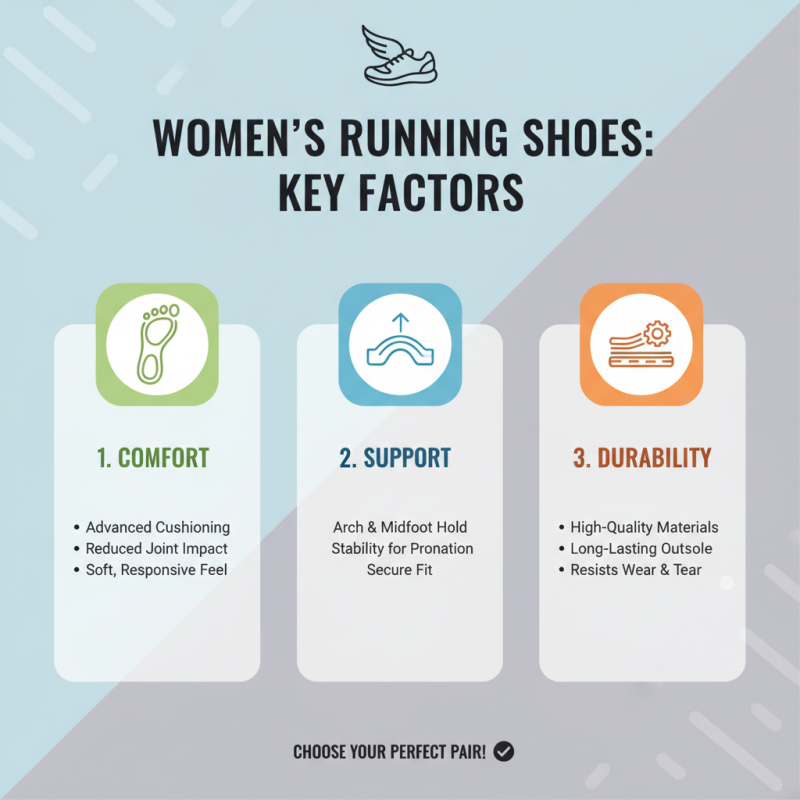
When choosing the best running shoes for women, it's essential to delve into the performance of various brands and their ratings within the industry. Key factors to consider include comfort, support, and durability, all of which greatly affect a woman's running experience. High-quality running shoes often feature advanced cushioning technology, which helps in reducing the impact on joints and enhances overall comfort during runs. Additionally, a good fit is crucial; shoes should accommodate the natural shape of a woman's foot, providing ample space in the toe box and midfoot support.
Moreover, industry ratings can serve as valuable indicators of a shoe's performance and reliability. Many brands undergo rigorous testing and receive feedback from professional athletes and casual runners alike. Rankings often reflect attributes like breathability, weight, and traction, which are vital for different running terrains. Assessing user reviews and expert opinions can guide potential buyers toward options that consistently receive high marks across these categories, allowing women to make informed choices for their specific needs.