Top Tips for Buying Used Automatic Cars for Sale Online?
When exploring the world of used automatic cars for sale, it’s crucial to have the right approach. Experts like John Thompson, a veteran in the automotive industry, emphasize, “Purchasing a used car requires careful attention to details.” His insights remind us that the journey isn’t always smooth. Many buyers overlook important factors that can affect their choices.
Investigating the car’s history is essential. Many used automatic cars for sale may come with hidden issues. Without proper research, buyers might face costly surprises. The condition of the transmission, mileage, and service records should all be assessed before making a decision. It’s easy to focus on aesthetics but neglect the mechanics.
Additionally, personal experiences can shape our choices. Some buyers rush into a decision, driven by excitement. Later, they may regret skipping essential inspections or tests. Reflecting on these mistakes can guide future purchases. Understanding the challenges can lead to smarter decisions, ensuring a reliable vehicle is just a few clicks away.
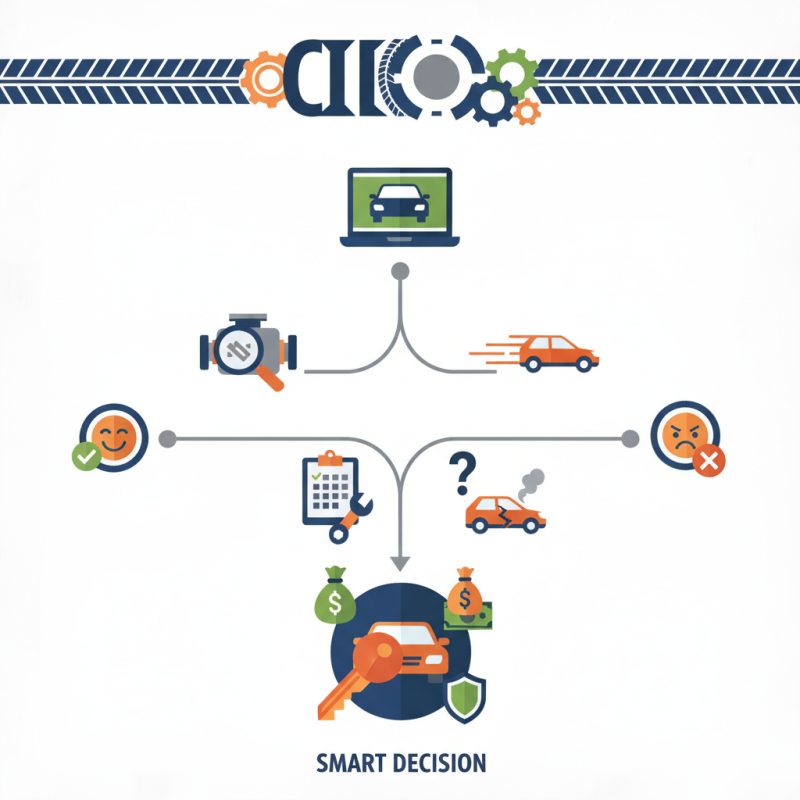
Understanding Your Needs: Assessing the Right Automatic Car Type
When considering a used automatic car, it's essential to assess your specific needs. Automatic cars cater to various driving styles. If you frequently navigate busy city streets, a compact car may be ideal. In contrast, those who drive long distances might prefer a sedan or an SUV. According to a recent market report, small cars accounted for 30% of used vehicle sales last year.
Think about what you require from your vehicle. Do you need a spacious interior for family trips? Perhaps you're seeking advanced safety features. Research shows that safety ratings are a top priority for nearly 70% of buyers. It's a crucial factor that cannot be overlooked.
It is easy to get lost in online listings. Many sellers may exaggerate vehicle conditions. A vehicle history report is often indispensable. Be wary of listings with vague descriptions or overly polished images. Sometimes, the car may not match the seller's claims. Reflecting on these factors ensures that your purchase aligns with your needs.
Researching Reliable Online Platforms for Used Car Purchases
When considering a used automatic car purchase online, research is vital. Start by identifying reliable platforms. Look for websites with high user ratings. Check for verified seller badges. These indicators can often point you toward trustworthy sources.
Always examine customer reviews. Authentic reviews can offer insights into the seller's reliability. Pay attention to recurring issues, such as delayed deliveries or misrepresented vehicles. This feedback can shape your decision.
For added security, request a vehicle history report. It reveals past accidents or major repairs. Ensure the car has a clean title. Sometimes, even the most appealing listings require caution. Engaging with sellers who provide detailed information helps build trust. Ask questions about the car's condition. The more transparency, the better!
Inspecting Vehicle History Reports: What to Look For
Buying a used automatic car can be tricky, especially online. One key step is inspecting vehicle history reports. These reports provide vital information about a car's past. According to a 2021 industry survey, 17% of used cars have unresolved title issues. Always check this before buying.
Look for accident history. A car involved in serious accidents may have hidden mechanical issues. Data shows that about 25% of vehicles have been in accidents. Each incident can affect performance. Look for previous ownership, service records, and mileage inconsistencies. A record of consistent maintenance is a green flag.
When inspecting these reports, focus on specific details. Was the car ever declared a total loss? If yes, think twice. Also, verify odometer readings. Some cars may have "rolled back" odometers. This illegal action can lead to costly repairs down the line. Trust your instincts. If something seems off, it likely is.
Top Tips for Buying Used Automatic Cars: Vehicle History Report Analysis
Arranging for Pre-Purchase Inspections and Test Drives
When considering a used automatic car, pre-purchase inspections are essential. Research indicates that nearly 20% of used cars have hidden issues, ranging from mechanical failures to accidents. A thorough inspection can uncover these problems before you commit. Use a trusted mechanic to assess the car’s condition, including the engine, transmission, and brakes. Their expertise can save you from costly repairs later.
Arranging a test drive is equally vital. A recent industry report suggests that around 30% of buyers regret their purchase due to not driving the car beforehand. During a test drive, pay attention to how the car responds and feels. Listen for unusual noises and check how smoothly it shifts gears. Don’t hesitate to push the vehicle a bit harder; this can reveal underlying issues.
Always be prepared to walk away if something doesn’t feel right. Trust your instincts. You might find yourself drawn to a vehicle that looks perfect but doesn’t perform well on the road. This decision should not be rushed. Take your time to analyze every detail before making a financial commitment.
Negotiating Price and Finalizing the Purchase Safely
Negotiating the price of a used automatic car can be tricky. Start by researching similar vehicles to understand the market. Check various online listings to gather pricing data. When you find a car you like, make a list of its features and potential flaws. Highlight these when discussing the price. It’s important to be confident but also respectful during negotiations. Don’t rush; take your time to get the best deal.
When finalizing the purchase, ensure all paperwork is in order. This includes title transfer, registration, and any warranties. Pay attention to detail; small mistakes can lead to big issues later. Arrange a safe meeting place for the exchange. Consider bringing a friend for support, as their perspective can be valuable. Always trust your instincts. If something feels off, take a step back and reassess. A pressure-free approach can lead to a satisfying purchase.
Top Tips for Buying Used Automatic Cars for Sale Online
| Tip Category | Tip |
| Research | Check online marketplaces and forums for reliable sellers and pricing information. |
| Vehicle History | Request a vehicle history report to check for accidents and title issues. |
| Inspect the Car | Arrange for a mechanical inspection before finalizing the purchase. |
| Test Drive | Always take the car for a test drive to assess its condition and performance. |
| Negotiating | Be prepared to negotiate, knowing the fair market value of the car. |
| Payment | Use secure payment methods and avoid cash transactions for safety. |
| Documentation | Ensure all paperwork is in order, including title transfer and bill of sale. |
| Follow Up | After purchase, keep all documents and contact the seller for any issues. |